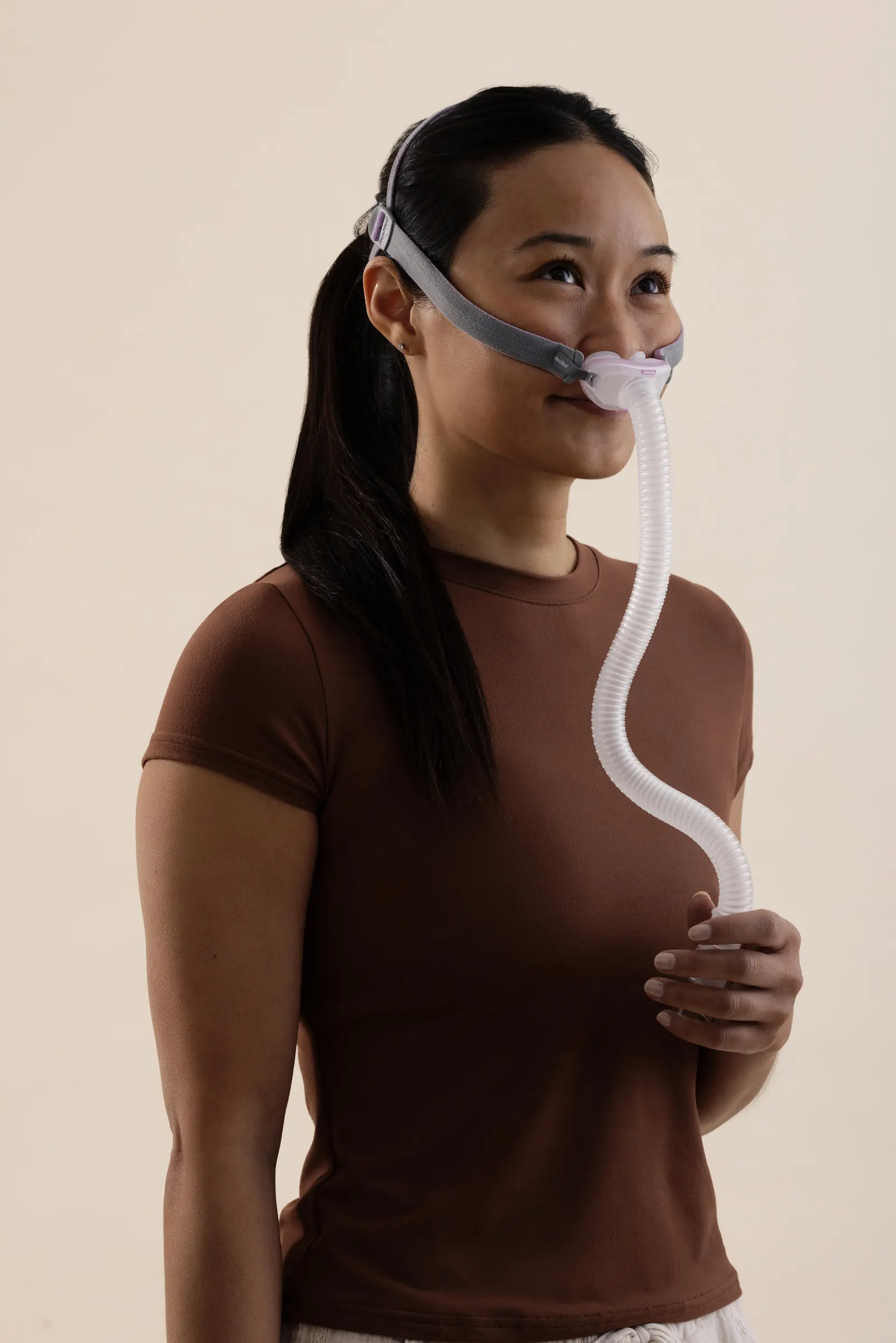
The CPAP replacement clock, and how a clinic bills it.
Eight parts, each on its own interval, read off one equipment card and turned into a resupply plan that bills on schedule with the co-pay applied.
The clock
Eight parts, eight clocks, one card.
The interval beside each part is the default norvelle ships for that slot. It is wear-and-tear guidance for the part, not a statement that a funder will pay for a new one.
Where the dates come from
Three different clocks, and only one of them is ours.
A part being past its service life and a programme agreeing to pay for a new one are separate questions, with separate answers.
From clock to plan
Turning the clock into a 3, 6 or 12 month plan.
A plan is a standing agreement for the parts that repeat. The clinician decides what goes on it; after that each renewal bills itself.
Pick the cycle
Renewals every 3, 6 or 12 months, started from the patient's chart, with an end date if you want one. Weekly, every two weeks and monthly cycles exist too for the parts that move faster.
Put the repeating parts on it
Cushions, filters, tubing, the water tub and the mask when it is due. Lines are editable, so swapping a mask size changes the next invoice rather than the whole plan.
Freeze the price
The plan's line prices are fixed onto the schedule when it is set up, so a catalogue change tomorrow does not quietly reprice a patient's standing plan.
Apply the co-pay on every invoice
Each payer sits on the plan with its coverage rule, a percentage of a named base or a fixed amount. norvelle works out the payer share on every invoice the plan raises, and the patient's portion is the remainder.
Take the patient's share
With the patient's consent, payment is taken from the card on file or, under a signed pre-authorized debit agreement, from their bank account. It charges their share, not the whole invoice.
Bill the payer separately
The payer's share can go out as its own numbered invoice, so programme and insurer debt ages apart from the patient's and lands in the right worklist.
Questions clinics ask about the clock.
Sources
Captured 2026-10-18. Every funder interval on this page was read from that programme's own published page or manual on that date, and every other interval is named on the page as a norvelle default. Programme rules change: check the source before you rely on it.
- Designated minimum funding period of 5 years for positive airway pressure systems, and the replacement grounds of a changed medical condition or wear beyond economic repair: Respiratory Equipment Policy and Administration Manual, policies 500 and 505, ontario.ca/files/2024-11/moh-adp-policy-and-administration-manual-respiratory-equipment-2024-11-08.pdf (July 2024).
- What a funded positive airway pressure system includes, namely the device, a heated humidifier, a basic mask and headgear, a carrying case, 6 ft tubing and the caps and filters required for setup, and upgraded mask and headgear being outside that amount: the same manual, policies 225.01 and 610.
- Replacement masks, headgear and similar items for CPAP machines not covered, and the 75% of the approved price paid to the business that sold the equipment with the client paying 25%: ontario.ca/page/respiratory-equipment-and-supplies (page updated 2026-02-18).
- Recommended replacement guidelines of 1 CPAP or auto CPAP purchase every 5 years, 2 interfaces with headgear per year, 2 standard PAP tubings per year, 14 inlet filters per year and 2 chin straps per year, prior approval required for all respiratory equipment and supplies benefits, and the cleanable or reusable water chamber included in the purchase price: Indigenous Services Canada, 8.0 Respiratory equipment and supplies benefits list, sac-isc.gc.ca/eng/1585323161648 (effective 2026-07-29).
- norvelle's shipped intervals (machine 1,825 days, mask 180, frame 90, cushion 30, filter 30, tubing 90, water tub 180, headgear 180), the rule that filters and cushions accumulate while every other part is dated from its latest supply, and the note that these are wear-and-tear guidance rather than funder coverage: the platform's own equipment configuration, read 2026-10-18.